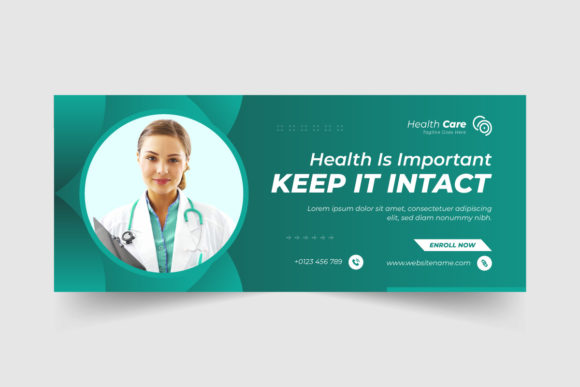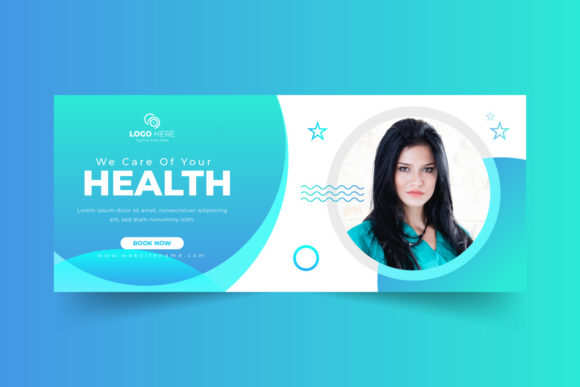
Elevating Digital Presence with a Professional Healthcare Medical Web Banner Template
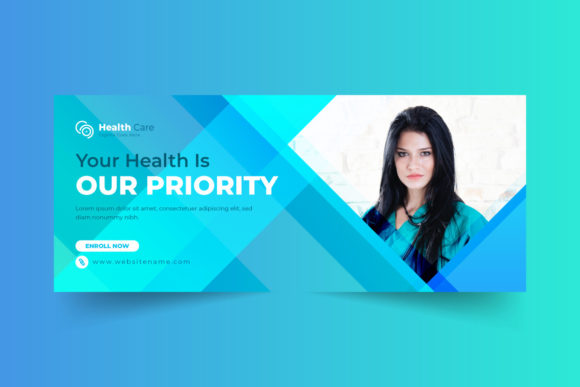
In the rapidly evolving landscape of digital health, first impressions are often formed within milliseconds. Whether you are a private clinic launching a new telemedicine service, a medical device startup seeking investors, or a health blogger sharing vital wellness tips, the visual quality of your online assets dictates credibility. This is where a high-quality Healthcare Medical Web Banner Template becomes an indispensable tool for modern communicators. It is not merely about filling space on a website; it is about conveying trust, professionalism, and clarity in an industry where these values are paramount.
The demand for polished, ready-to-use design assets has surged as healthcare providers and marketers shift their focus from traditional print advertising to dynamic digital ecosystems. Patients and clients now expect seamless, visually appealing online experiences that mirror the high standards of care they receive in person. A generic or poorly designed banner can inadvertently signal negligence, whereas a crisp, well-structured graphic reinforces the message that your organization pays attention to detail. By utilizing a template specifically engineered for the medical sector, professionals can bypass the steep learning curve of graphic design while ensuring their output meets industry expectations.
The Shift Toward Visual Authority in Health Communication
Historically, medical marketing relied heavily on brochures, business cards, and local newspaper ads. Today, the patient journey almost always begins with a search engine query or a social media scroll. This fundamental shift in behavior means that your digital storefront must be as immaculate as your waiting room. The modern user is savvy; they can instinctively differentiate between amateurish clip-art compositions and professional-grade graphics.
A dedicated Healthcare medical web banner template addresses this need by providing a framework built on current design trends. We are seeing a move away from cluttered, text-heavy visuals toward clean, flat designs that prioritize readability and speed. This evolution reflects broader changes in technology and lifestyle; users access information on various devices, from large desktop monitors to small smartphone screens. A template that adheres to these modern aesthetic principles ensures that your message remains clear and impactful regardless of the platform.
Furthermore, the pace of change in the healthcare sector requires agility. New regulations, emerging health crises, or seasonal flu campaigns often require immediate communication updates. Waiting days for a custom design agency to deliver assets is no longer feasible for many small to mid-sized practices. Having access to an editable template allows teams to pivot quickly, updating messaging in real-time without sacrificing visual quality. This responsiveness is crucial for maintaining relevance and trust in a fast-moving information environment.
Technical Specifications That Drive Professional Results
When selecting a design asset, understanding the technical underpinnings is just as important as the visual appeal. A superior Healthcare Medical Web Banner Template is defined by specific features that ensure versatility and high-fidelity output. Let's break down why specifications like 300 DPI, RGB Color, and file formats such as EPS and JPEG matter for your specific use cases.
First, consider the resolution. While web graphics typically display at 72 DPI, having a source file at 300 DPI provides immense flexibility. It means the same design used for a website header can be instantly repurposed for high-quality print materials like conference posters, flyer handouts, or office signage without losing sharpness or becoming pixelated. This dual-purpose capability is a significant cost-saver for businesses operating with lean budgets.
Color management is another critical factor. The template utilizes RGB Color mode, which is the standard for digital displays. This ensures that the blues, greens, and whites associated with cleanliness and healing appear vibrant and accurate on screens. Mismanaged color profiles can lead to dull or shifted hues that undermine the professional look of a brand. By sticking to RGB, the template guarantees consistency across laptops, tablets, and mobile devices.
The inclusion of both EPS and JPEG files caters to different levels of technical expertise. The JPEG is a ready-to-use raster image perfect for immediate upload to social media or website CMS platforms. However, the EPS file is the powerhouse for customization. As a vector format, it allows designers to scale elements infinitely without quality loss. More importantly, it enables deep editing of shapes, lines, and layout structures, offering a level of control that raster images simply cannot provide.
Customization and Accessibility for Non-Designers
One of the most significant barriers to effective digital marketing for healthcare professionals is the perceived complexity of design software. Many assume that to get a professional result, one must be an expert in Adobe Illustrator or Photoshop. However, modern templates are designed with accessibility in mind. The feature set of a top-tier Healthcare medical web banner template often includes Easy to Edit layers and the use of Free Fonts.
The use of free fonts is a strategic choice. It eliminates licensing headaches and ensures that if you send the file to a colleague or a freelance editor, the typography renders exactly as intended without requiring expensive font purchases. This openness fosters collaboration and streamlines the workflow for marketing teams.
Moreover, the claim of being 100% customizable is not just marketing fluff; it represents the adaptability required in diverse medical niches. A dermatology clinic needs a different visual tone than a pediatric emergency center or a mental health app. A robust template allows you to swap out color palettes to match your brand identity, rearrange text blocks to highlight specific services, and integrate your own photography seamlessly. Since the image is not included, you have the freedom to use authentic photos of your own staff and facilities. In an era where stock photography can feel impersonal and staged, using real imagery builds a stronger emotional connection with your audience.
Aligning with Flat Design and Modern User Expectations
The inclusion of a Flat Design File is particularly noteworthy. Flat design has dominated the digital landscape for years because it reduces cognitive load. By removing unnecessary textures, gradients, and drop shadows, flat design focuses the viewer's attention on the core message and the call to action. For healthcare communications, where clarity can be a matter of urgency, this minimalist approach is highly effective.
Consider the user experience on a mobile device. Complex, heavy graphics can slow down page loading times, leading to higher bounce rates. Flat design elements are generally lighter and render faster, contributing to better site performance and SEO rankings. Google's algorithms increasingly favor sites that offer fast, smooth user experiences, making the choice of a lightweight, flat-design-based template a smart technical decision as well as an aesthetic one.
This design philosophy also aligns with the "clean" aesthetic associated with hygiene and medical sterility. The visual language of flat design—clean lines, solid colors, and ample white space—subconsciously reinforces the concepts of safety and order that patients look for in a healthcare provider.
Practical Applications Across the Healthcare Spectrum
The utility of a versatile banner template extends far beyond a single homepage hero image. Entrepreneurs launching health-tech startups can use these assets for pitch decks and landing pages. Freelance medical writers can create branded headers for their portfolios or guest articles. Educators and trainers in the medical field can utilize them for online course thumbnails and webinar promotions.
For instance, a local pharmacy running a vaccination drive can quickly adapt the template to create a series of cohesive banners for Facebook, Instagram, and their website, ensuring a unified campaign look. Similarly, a hospital administrator can update internal communication portals with clear, professional announcements regarding policy changes or new equipment arrivals.
The ability to edit these files easily means that A/B testing becomes feasible. Marketers can create two variations of a banner—one emphasizing "Speed of Service" and another emphasizing "Compassionate Care"—and test which resonates more with their audience. This data-driven approach to design is only possible when you have full control over the template elements.
Making the Right Choice for Your Brand
Investing time in selecting the right Healthcare Medical Web Banner Template is an investment in your brand's longevity and reputation. In a crowded marketplace, the difference between being overlooked and being chosen often lies in the details of your presentation. The combination of high-resolution outputs, flexible file formats, and user-friendly customization options empowers non-designers to produce work that rivals agency-level quality.
As we move forward, the integration of authentic imagery with clean, flat design structures will remain a cornerstone of effective health communication. By leveraging tools that offer 300 DPI precision, RGB accuracy, and complete editability, you position yourself to meet the ever-rising expectations of your audience. Whether you are a seasoned marketer or a practitioner taking charge of your own promotion, these templates provide the foundation for a digital presence that is both trustworthy and visually compelling.
Ultimately, the goal is to let your expertise shine without distraction. A well-designed banner does not shout for attention; it quietly guides the viewer, establishing confidence before a single word of your copy is read. In the sensitive and vital field of healthcare, that silent assurance is invaluable.