Maximizing Your Reach with a Handyman Home Repair Social Media Post
In the competitive world of home services, visibility is everything. Whether you are a solo handyman fixing leaky faucets or a construction firm managing full-scale renovations, your digital presence often serves as the first handshake with potential clients. A well-crafted Handyman Home Repair Social Media Post can be the difference between a quiet week and a fully booked schedule. However, many skilled tradespeople stumble not because their work is subpar, but because their marketing materials fail to communicate professionalism and trust. Understanding how to leverage design templates effectively is a crucial skill for modern entrepreneurs and small business owners.
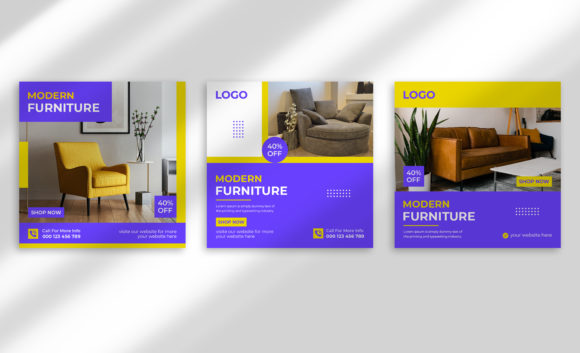
The concept behind using a dedicated social media banner template is simple: consistency breeds recognition. When a homeowner scrolls through their feed, they are bombarded with information. A clean, eye-catching professional post cuts through that noise. It signals that you pay attention to details—a trait customers desperately want in someone working on their most valuable asset, their home. Yet, despite the availability of high-quality resources like editable PSD files, many users make critical errors that diminish the impact of their marketing efforts.
The Trap of Ignoring Editability and Organization
One of the most common misunderstandings involves the technical requirements of design assets. You might find a stunning Handyman Home Repair Social Media Post template online, download it, and then realize you cannot open it or make sense of the layers. This often happens when users overlook the software specifications. For instance, many premium templates come as Photoshop PSD files. If you do not have access to Adobe Photoshop or lack even the very basics of how to manipulate layers, masks, and smart objects, you will hit a wall immediately.
This mistake affects efficiency and cost. Some individuals purchase complex templates only to hire a designer later to make simple text changes, negating the cost savings of buying a template in the first place. The better approach is to honestly assess your technical comfort level before downloading. If you are a beginner, look for templates described as "well-organized" and "easy to edit." A properly structured file will have clearly labeled groups for text, background images, and logos. This organization allows you to swap out a photo of a kitchen renovation for a bathroom repair without accidentally deleting critical design elements.
Furthermore, do not assume that "editable" means "foolproof." Even with basic Photoshop knowledge, changing fonts or colors can sometimes break a layout if the original designer did not use scalable vector shapes or proper text wrapping. Always preview the font requirements. Many templates use free fonts, but if you do not install the specific font family on your computer before opening the file, the software will substitute it with a default typeface, ruining the aesthetic balance of your social media banner.
Misconceptions About Image Licensing and Mockups
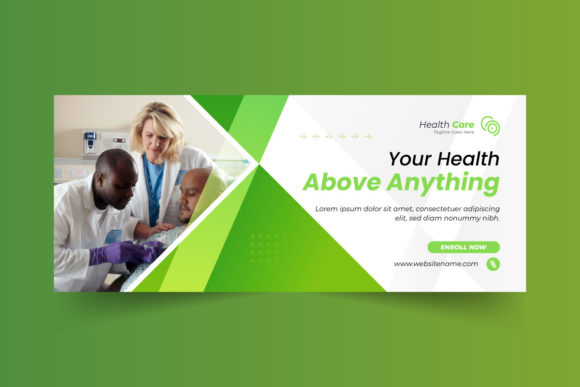
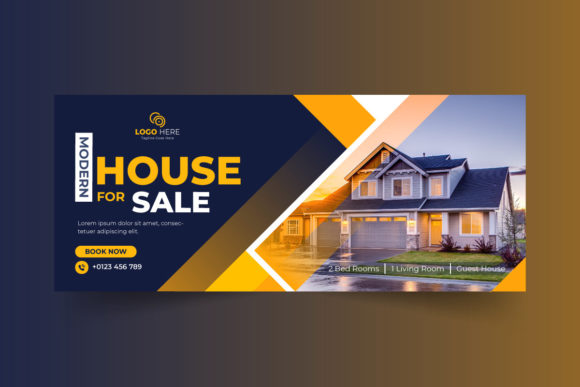
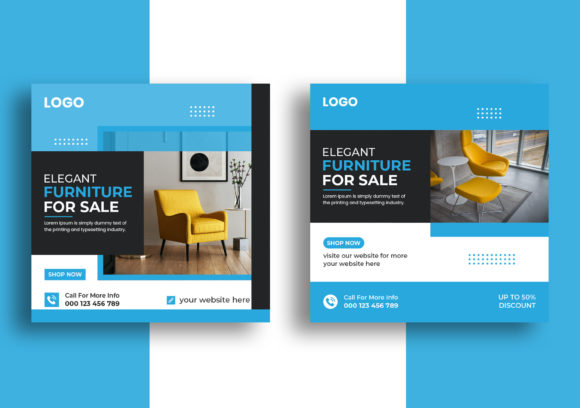
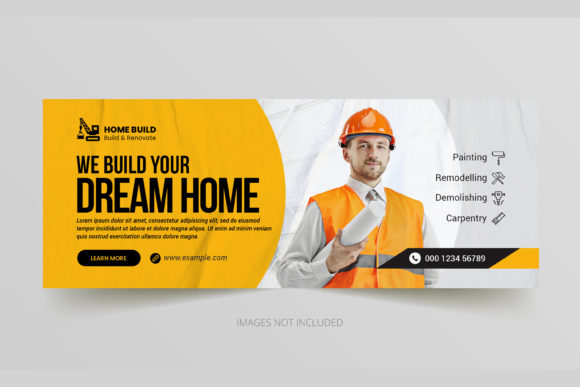
A frequent source of frustration for new marketers is the confusion surrounding image inclusion. When you browse a marketplace for a Construction renovation flyer or a handyman post template, the preview image often looks perfect, featuring happy families and pristine renovated rooms. A critical error occurs when buyers assume these images are part of the download package. In reality, most professional templates explicitly state that images used in the preview mockups are not included.
Failing to check this detail can lead to copyright issues or a final product that looks empty and unprofessional. Using watermarked stock photos in your live social media posts damages credibility. It suggests to your audience that you are either careless about intellectual property or unable to produce original content. To avoid this, always verify the license terms. You should plan to use your own high-resolution photos of completed projects. Real images of your actual work build far more trust than generic stock photography. If you must use stock images, ensure you have purchased the appropriate commercial license from a reputable provider.
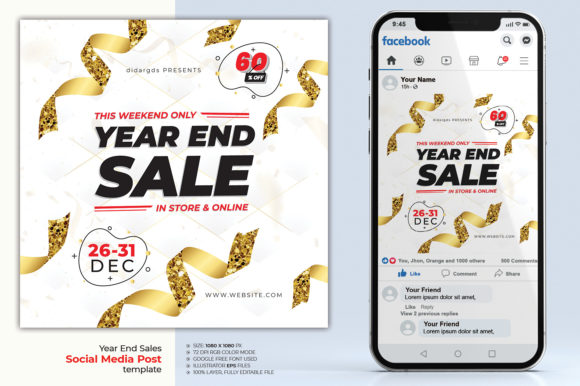
Additionally, consider the resolution and color mode. Professional templates are typically designed at 1080x1080 pixels in RGB color at 72 DPI, which is the standard for Instagram and Facebook. A common mistake is attempting to use these files for print materials like physical flyers without adjusting the resolution to 300 DPI and converting the color mode to CMYK. While the template itself is versatile, using a screen-optimized file for large-format printing will result in pixelated, blurry output that reflects poorly on your brand quality.
Overlooking Brand Consistency and Customization
Another subtle but damaging mistake is treating the template as a finished product rather than a foundation. Some business owners simply swap the text and hit save, leaving the color scheme mismatched with their existing branding. If your company truck is blue and white, but your Handyman Home Repair Social Media Post features aggressive reds and oranges, you create cognitive dissonance for your customers. They may not consciously notice, but the lack of visual harmony reduces memorability.
To correct this, take the time to adjust the template's color palette to match your logo and website. Most well-made PSD files allow you to change global color fills or adjustment layers, making this process quick. Consistency across all platforms—from your website header to your Instagram stories—reinforces your identity as an established, reliable entity. This is particularly important for freelancers and small business owners trying to compete with larger corporations. A cohesive visual identity suggests stability and longevity.
Moreover, do not neglect the hierarchy of information. A cluttered post confuses the viewer. Your primary goal is to communicate who you are, what you do, and how to contact you. Ensure your phone number or call-to-action button is prominent. Avoid the temptation to list every single service you offer in one graphic. Instead, focus on a specific niche for each post, such as "Kitchen Remodeling" or "Emergency Plumbing," and link to a broader portfolio in your bio. This targeted approach improves engagement rates and helps the social media algorithm show your content to the right local audience.
Making the Right Choice for Your Business
Before committing to a specific template, evaluate your long-term content strategy. Are you looking for a one-off graphic for a seasonal promotion, or do you need a system for weekly updates? Investing in a bundle of coordinated templates can save significant time in the long run. Look for packages that include variations for different post types, such as testimonials, before-and-after comparisons, and educational tips. This variety keeps your feed dynamic and engaging.
Remember that the tool is only as good as the strategy behind it. A Handyman Home Repair Social Media Post template provides the structure, but your expertise and authenticity provide the value. By avoiding technical pitfalls, respecting image licensing, maintaining brand consistency, and focusing on clear communication, you transform a simple graphic file into a powerful client acquisition tool. Take the time to learn the basics of your design software, curate your own project photos, and tailor every element to reflect the quality of work you deliver on-site. When your digital presentation matches your craftsmanship, you build the trust necessary to grow your business sustainably.