Unlocking the Potential of Red Fruit N Vegie for Modern Wellness and Culinary Innovation
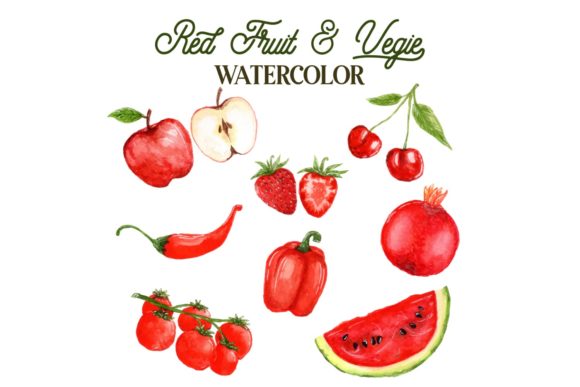
In an era where health consciousness intersects with culinary creativity, the concept of Red Fruit N Vegie has emerged as a pivotal theme for nutritionists, chefs, and everyday consumers alike. This dynamic pairing is not merely a visual aesthetic choice but a strategic approach to maximizing nutrient density, flavor profiles, and antioxidant intake. By focusing on the synergy between red-hued fruits and vegetables, individuals can tap into a specific spectrum of phytochemicals that offer profound benefits for cardiovascular health, cognitive function, and cellular protection. The term Red Fruit n Vegie encapsulates a diverse array of produce, ranging from the common tomato and strawberry to the exotic pomegranate and red bell pepper, each contributing unique properties to the human diet.
The Science Behind the Red Spectrum
The vibrant crimson, scarlet, and ruby tones found in nature are rarely accidental; they are biological signals indicating the presence of powerful compounds. The primary driver behind the coloration in most items categorized under Red Fruit N Vegie is lycopene, a carotenoid that acts as a potent antioxidant. Unlike some nutrients that are destroyed by heat, lycopene often becomes more bioavailable when cooked, making processed forms of tomatoes and watermelon particularly valuable. Beyond lycopene, these foods are rich in anthocyanins and ellagic acid, which combat oxidative stress and reduce inflammation within the body.
Researchers and healthcare professionals emphasize that consuming a variety of these red-hued plants provides a protective layer against chronic diseases. For instance, epidemiological studies have frequently linked high consumption of lycopene-rich foods with a reduced risk of certain cancers and heart disease. When educators and dietitians explain the importance of "eating the rainbow," the red category represented by Red Fruit n Vegie is often highlighted for its specific role in maintaining vascular integrity and supporting immune system function. Understanding the chemical makeup of these foods allows consumers to make informed decisions rather than relying on fleeting dietary trends.
Culinary Applications and Flavor Profiles
For creators in the culinary world, the combination of red fruits and vegetables offers an endless playground for flavor experimentation. The natural sweetness of berries like raspberries and cherries contrasts beautifully with the earthy, umami notes of roasted red peppers and beets. Chefs utilize Red Fruit N Vegie to create balanced dishes that appeal to both the palate and the eye. A classic example is the use of balsamic-glazed strawberries alongside a savory arugula salad, or the incorporation of sun-dried tomatoes into pasta sauces to deepen the flavor profile without adding excessive salt.
The versatility of these ingredients extends across various cuisines. In Mediterranean cooking, the tomato is the undisputed king, forming the base of countless sauces, soups, and stews. Meanwhile, in Asian fusion cuisine, the tanginess of red dragon fruit or the crispness of radishes adds texture and vibrancy to bowls and wraps. Home cooks and professional chefs alike find that mastering the preparation of Red Fruit n Vegie involves understanding how different cooking methods alter their taste and texture. Roasting concentrates sugars, while raw preparations preserve enzymatic activity and crispness, offering distinct sensory experiences.
Strategic Implementation for Business and Agriculture
Beyond the kitchen and the laboratory, the Red Fruit N Vegie sector represents a significant opportunity for business owners and agricultural producers. As consumer demand shifts toward functional foods—items that provide health benefits beyond basic nutrition—farmers and distributors are increasingly focusing on cultivating high-quality red produce. This shift requires a deep understanding of growing conditions, harvest timing, and supply chain logistics to ensure that the delicate phytochemicals remain intact from farm to table.
Businesses specializing in organic farming or sustainable agriculture often highlight their red produce as a premium offering. Marketing strategies that educate consumers about the specific health advantages of lycopene and anthocyanins can drive sales and build brand loyalty. Furthermore, food manufacturers are innovating by incorporating extracts from Red Fruit n Vegie into supplements, beverages, and snack bars. This trend reflects a broader movement toward clean labeling and transparency, where customers want to know exactly what they are consuming and why it benefits them.
- Agricultural Innovation: Developing crop varieties with higher concentrations of antioxidants to meet market demand.
- Supply Chain Optimization: Ensuring rapid transport and proper storage to maintain the nutritional integrity of perishable red produce.
- Product Development: Creating value-added products such as freeze-dried powders, juices, and purees derived from red fruits and vegetables.
- Consumer Education: Launching campaigns that explain the science behind the red color and its correlation with health outcomes.
Practical Considerations for Daily Consumption
Integrating Red Fruit N Vegie into a daily routine does not require drastic lifestyle changes but rather a mindful approach to meal planning. For busy professionals and parents, the key lies in preparation and accessibility. Keeping a bowl of washed cherries or sliced red bell peppers in the refrigerator encourages snacking on whole foods rather than processed alternatives. Similarly, adding a handful of spinach and beetroot to a morning smoothie can instantly boost the nutrient content of breakfast without compromising taste.
It is also important to consider seasonality. While global supply chains make many red fruits available year-round, consuming them during their peak harvest season ensures optimal flavor and nutrient density. Local farmers' markets are excellent resources for finding fresh, seasonal Red Fruit n Vegie options. During summer, tomatoes, watermelons, and berries abound, whereas autumn brings apples, pomegranates, and red grapes. Adapting one's diet to the seasons not only supports local economies but also aligns with the natural cycles of nutrient availability.
Navigating Challenges and Misconceptions
Despite the clear benefits, there are misconceptions surrounding the consumption of red produce that warrant clarification. One common myth is that all red fruits are high in sugar and therefore unsuitable for individuals managing blood glucose levels. While it is true that some red fruits contain natural sugars, they also come packaged with fiber, water, and phytonutrients that moderate absorption rates. When consumed as part of a balanced diet, Red Fruit N Vegie can be safely enjoyed by most people, including those with diabetes, provided portion sizes are managed appropriately.
Another consideration is the potential for pesticide residue on conventionally grown produce. Items like strawberries and apples often appear on lists of foods with higher pesticide loads. Consequently, experts recommend washing these items thoroughly or opting for organic versions when possible. This precaution ensures that the health benefits of Red Fruit n Vegie are not undermined by exposure to harmful chemicals. Additionally, individuals taking certain medications, such as blood thinners, should consult with healthcare providers regarding the consumption of vitamin K-rich red vegetables like beets, although interactions are generally rare compared to leafy greens.
The Role of Technology in Enhancing Access
Technology plays an increasingly vital role in bridging the gap between producers and consumers of Red Fruit N Vegie. Mobile applications now allow users to track their intake of different colored foods, providing feedback on whether they are meeting their nutritional goals. Advanced agricultural technologies, such as precision farming and hydroponics, enable the cultivation of high-quality red produce in urban environments, reducing the carbon footprint associated with transportation.
Furthermore, digital platforms facilitate knowledge sharing among researchers, hobbyists, and educators. Online communities dedicated to gardening and nutrition often feature discussions on the best practices for growing tomatoes, preserving berries, or creating recipes that maximize the benefits of Red Fruit n Vegie. This democratization of information empowers individuals to take control of their health and culinary pursuits, fostering a culture of wellness that extends beyond individual households to entire communities.
Ultimately, the integration of red fruits and vegetables into daily life represents a convergence of science, culture, and practicality. Whether viewed through the lens of a researcher analyzing cellular benefits, a chef crafting a masterpiece, or a parent preparing a healthy lunch, the value of Red Fruit N Vegie is undeniable. By embracing the diversity and potency of these natural resources, society can move toward a future where food is not just sustenance but a foundational pillar of holistic well-being. The journey toward better health begins with simple choices, and choosing the red spectrum is a delicious and effective step in that direction.