Mastering the Art of Flower Line Art Illustration Backgrounds for Professional Design
In the world of digital design and creative entrepreneurship, the difference between a project that feels amateurish and one that exudes professionalism often lies in the subtleties of the assets you choose. A Flower Line Art Illustration Background is more than just a decorative element; it is a foundational tool that sets the tone for weddings, branding packages, social media content, and educational materials. Whether you are a seasoned graphic designer, a small business owner creating your own marketing materials, or a hobbyist looking to elevate your personal projects, understanding how to select and utilize these assets correctly is crucial. The allure of hand-drawn floral wreaths, delicate branches, and calligraphic touches is undeniable, but navigating the marketplace of digital downloads requires a keen eye to avoid common pitfalls that can compromise your final output.
Many creators rush into downloading the first floral line art with branch designs they find, lured by low prices or flashy previews. However, this haste often leads to frustration down the road. One of the most frequent misunderstandings involves file formats. You might see a listing promising a comprehensive pack including an Ai File, EPS File, SVG File, PDF file, and JPEG. While having access to all these formats sounds ideal, not every user knows which one to use for their specific needs. Using a rasterized JPEG for a large-scale print banner, for instance, will result in pixelation and a loss of the crisp, clean lines that define quality line art. Conversely, trying to edit a complex SVG in a program that only handles raster images can lead to hours of wasted time. To ensure efficiency and quality, always match the file type to your workflow: use vector formats like SVG, EPS, or AI for scalability and editing, and reserve JPEGs or PDFs for final placement where no further manipulation is needed.
Avoiding the Trap of Overused and Generic Designs
Another significant issue facing modern creators is the saturation of generic designs. Because flowers Sketches and plants are so popular, many files available online look strikingly similar. If you build your brand identity or a wedding invitation suite around a widely distributed Botanical leaf Decorative floral picture, you risk losing your unique voice. Your audience may have seen the exact same hand drawn curly grass and flowers on a competitor's website or a different blog. This lack of differentiation can dilute your message and make your presentation feel cookie-cutter rather than bespoke.
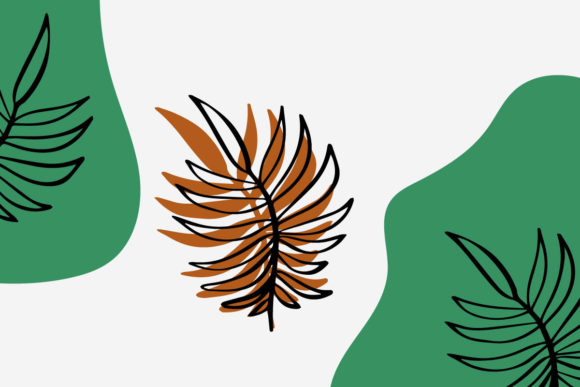
To avoid this, take the time to evaluate the uniqueness of the Floral LineArt before purchasing. Look for sets that offer varied stroke weights, organic imperfections typical of true hand-drawn work, and distinctive arrangements. A high-quality Hand drawn flower illustration should have character; the lines should flow naturally, mimicking the movement of real growth rather than looking like rigid, computer-generated shapes. When you choose elements that possess this organic quality, your Flower Line Art Illustration Background becomes a storytelling device rather than mere filler. It communicates care, attention to detail, and a commitment to aesthetic excellence.
Technical Considerations for Scalability and Editing
When working with design elements and frames, technical compatibility is often overlooked until a deadline is looming. A common mistake is assuming that all vector files are created equal. Some "vector" files sold online are actually composed of hundreds of tiny, ungrouped paths that make editing a nightmare. Imagine trying to change the color of a single leaf in a floral wreath only to realize you have to select fifty different anchor points. This inefficiency can drain your productivity and increase project costs if you are billing by the hour.
Before integrating any asset into your workflow, open the Ai File or EPS File to check the layer structure. Are the elements grouped logically? Is the stroke applied correctly, or is it expanded? For those using cutting machines for physical crafts, the SVG File is paramount. Ensure the SVG is clean, with closed paths and no stray points, to guarantee smooth cuts. A messy file can ruin material and damage equipment. By prioritizing well-organized files, you protect your time and resources, ensuring that the calligraphic flourishes and intricate details enhance your project without causing technical headaches.
- Check Licensing Terms: Always verify if the license allows for commercial use, especially if you are an entrepreneur selling products featuring these designs. Misunderstanding licensing can lead to legal issues and financial penalties.
- Test Print Quality: Before committing to a large print run, test the PDF file or high-resolution JPEG at the actual size it will be displayed. This confirms that the fine lines of the hand drawn floral wreath remain sharp and do not disappear.
- Evaluate Cohesion: Ensure that the Floral LineArt matches the style of your other brand assets. Mixing overly sketchy, rough lines with sleek, modern typography can sometimes create visual dissonance unless done with intentional contrast.
Furthermore, consider the versatility of the Flower Line Art Illustration Background you are selecting. A great set should offer modular components. Instead of a single, static image, look for collections where you can mix and match leaves, stems, and blooms to create custom compositions. This approach allows you to tailor the design to fit specific spaces, whether it's a narrow sidebar for a blog, a wide header for a website, or a circular frame for a logo. The ability to deconstruct and rebuild these elements gives you the freedom to innovate, ensuring that your use of plants and flowers Sketches feels fresh and relevant to your specific context.
Ultimately, the goal is to enhance communication and satisfaction through visual beauty. When you take the time to choose high-quality, versatile, and technically sound assets, you elevate the entire perception of your work. Whether you are designing a Decorative floral picture for a client or adding a touch of elegance to your own digital planner, the right Floral LineArt makes all the difference. By avoiding the shortcuts of generic, poorly formatted files and embracing thoughtful selection, you empower yourself to create work that stands out in a crowded marketplace. Remember, the best tools are those that disappear into the background, allowing your message to shine while providing a sturdy, beautiful foundation.