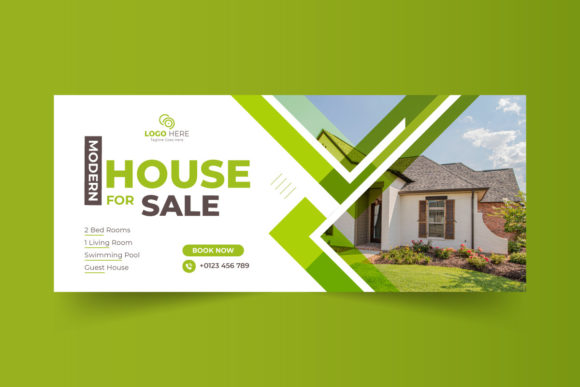
Streamlining Your Marketing Workflow with a Home Sale Banner Template
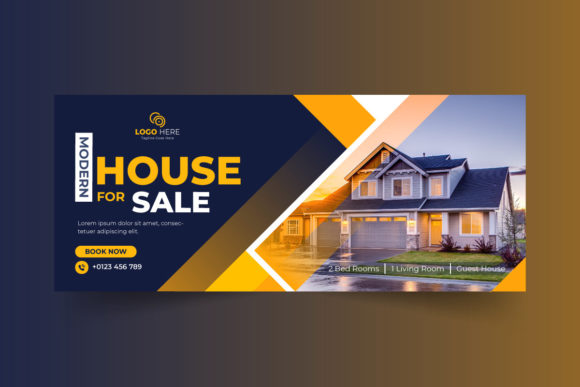
In the fast-paced world of real estate marketing and interior design promotion, visual consistency is not just an aesthetic preference; it is a strategic necessity. Whether you are a real estate agent preparing for an open house, a furniture retailer launching a seasonal clearance, or a freelance graphic designer managing multiple client accounts, the ability to produce high-quality promotional materials quickly can define your success. This is where a robust Home Sale Banner Template becomes an indispensable asset in your professional toolkit. It serves as the foundational layer for campaigns that need to look polished, professional, and urgent without requiring hours of custom design work from scratch.
Integrating a pre-designed template into your workflow is about more than just saving time; it is about standardizing quality and ensuring that your message cuts through the noise. When you adopt a structured approach to creating sales banners, you shift your focus from the mechanics of design to the strategy of communication. The following guide explores how to effectively leverage these templates across various stages of your business operations, ensuring seamless integration with your existing tools and processes.
Strategic Preparation and Asset Selection
Before diving into the editing process, it is crucial to understand where the banner fits within your broader marketing timeline. Effective use of a Home Sale Banner Template begins during the planning phase of a campaign. If you are organizing a property listing launch or a furniture warehouse sale, the visual assets should be ready before the event is publicly announced. This allows for a coordinated rollout across social media, email newsletters, and physical signage.
When selecting a template, pay close attention to the technical specifications provided. A professional-grade file typically includes features like 300 DPI resolution and RGB Color mode. The 300 DPI standard is critical if you intend to print these banners for physical display at an open house or in a showroom. Low-resolution images may look acceptable on a smartphone screen but will appear pixelated and unprofessional when printed on large vinyl or paper formats. Conversely, the RGB color space ensures that the colors remain vibrant and accurate when displayed on digital platforms such as Instagram, Facebook, or your company website.
It is also important to note that while the template provides the structure, the imagery is usually not included. This separation allows for maximum flexibility. You can insert high-resolution photos of the specific home or furniture pieces you are promoting. This step requires preparation; ensure you have your photography edited and organized in a dedicated folder before opening the design file. This prevents bottlenecks during the creation process and maintains a smooth workflow.
Execution: Customization and Brand Alignment
Once you have selected the appropriate file format, the execution phase begins. Most modern templates are designed to be 100% customizable, catering to users with varying levels of design expertise. Whether you are using Adobe Illustrator for vector-based editing or Photoshop for raster graphics, the goal is to align the template with your brand identity without losing the inherent balance of the original design.
A key feature of high-quality templates is the use of free fonts. This eliminates the frustration of missing typefaces and licensing issues. When you open the file, the text should render correctly immediately. However, do not feel constrained to keep the default typography if it does not match your brand guidelines. Since the fonts are free, you can easily download and install them if they are not already on your system, or swap them for similar alternatives that better suit your corporate voice. The priority is legibility and hierarchy; ensure that the "Sale" headline stands out clearly against the background, and that contact details or dates are easy to read at a glance.
The inclusion of a Flat Design File alongside layered formats like EPS offers significant advantages for workflow efficiency. Flat design elements are versatile and load quickly on web pages, making them ideal for digital advertising where speed impacts user retention. Meanwhile, the EPS (Encapsulated PostScript) format ensures that your graphics remain scalable. You can resize the banner for a massive billboard or a small web sidebar without any loss of quality. This scalability is essential for omnichannel marketing strategies where the same campaign runs across vastly different mediums.
Optimizing for Digital and Print Environments
Understanding the destination of your banner dictates how you finalize the file. For digital deployment, exporting to JPEG is often the most practical choice. JPEGs offer a good balance between image quality and file size, ensuring that your website or social media posts load instantly. Slow-loading images can increase bounce rates and reduce the effectiveness of your ad spend. Before exporting, double-check that the RGB values are optimized for screens, avoiding colors that might appear neon or washed out on mobile devices.
For print applications, the workflow shifts slightly. You will likely need to export a PDF or a high-resolution TIFF from your EPS source file, ensuring that the 300 DPI setting is maintained throughout the conversion. Consistency is key here; the colors on your screen may differ slightly from the printed output due to the difference between RGB (light) and CMYK (ink) color models. While the template is in RGB, professional printers can convert this, but it is wise to request a proof if the order volume is large. This quality control step prevents costly reprints and ensures that the "Home Sale" branding looks crisp and authoritative in the physical world.
Integration into Broader Business Workflows
A Home Sale Banner Template is rarely a standalone element; it interacts with various other tools and decisions in your business ecosystem. For real estate professionals, these banners often serve as the visual anchor for a larger marketing package that includes brochures, social media carousels, and email headers. By establishing a master template, you ensure that all these collateral pieces share a cohesive look and feel. This consistency builds trust with potential buyers, who perceive the brand as organized and reliable.
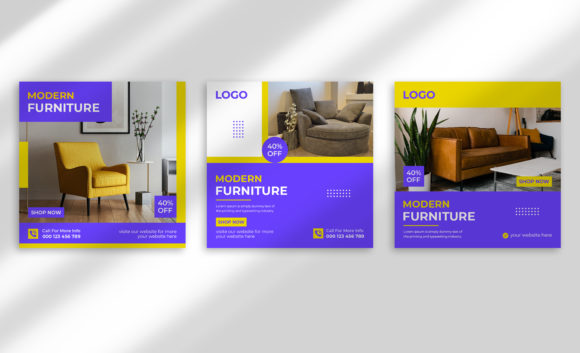
For entrepreneurs and small business owners in the furniture sector, these templates facilitate rapid response to market trends. If a competitor launches a surprise sale or if inventory levels suddenly shift, having an easy to edit template allows you to pivot your marketing message within minutes. You can update prices, change dates, or swap product images without needing to commission a new design. This agility is a competitive advantage, allowing you to capitalize on immediate opportunities.
Furthermore, these templates support collaboration. If you work with a team, storing the editable files (EPS or PSD) in a shared cloud drive ensures that everyone accesses the latest version. This prevents the confusion of outdated assets circulating within the organization. Marketers can focus on copywriting and targeting, while designers or administrative staff handle the visual updates, streamlining the division of labor.
Long-Term Usability and Organization
To maximize the return on investment for your design resources, organization is paramount. Create a systematic filing structure for your templates. Categorize them by season, event type, or platform. For instance, maintain separate folders for "Spring Furniture Sale," "Open House Events," and "Clearance Promotions." Within these folders, keep the original source files distinct from the exported JPEGs. This practice preserves the integrity of the master template, allowing you to reuse it indefinitely for future campaigns.
Regularly review your library of templates to ensure they remain aligned with current design trends. While flat design is timeless, specific color palettes or layout styles may evolve. Updating your template library every year ensures that your marketing materials never look dated. Additionally, gather feedback on which banner variations perform best. If a specific layout generates more clicks or foot traffic, analyze why. Is it the placement of the call-to-action? The contrast of the text? Use these insights to refine your customization process for the next cycle.
In conclusion, a Home Sale Banner Template is more than a static image; it is a dynamic tool that enhances efficiency, ensures quality, and supports strategic agility. By understanding its technical requirements, integrating it smoothly into your planning and execution phases, and maintaining a disciplined approach to organization, you can elevate your marketing output. Whether you are selling homes or furnishings, the ability to deploy professional, eye-catching visuals quickly is a skill that pays dividends in brand recognition and sales conversion. Embrace these tools not just as shortcuts, but as foundational elements of a sophisticated, results-oriented workflow.